
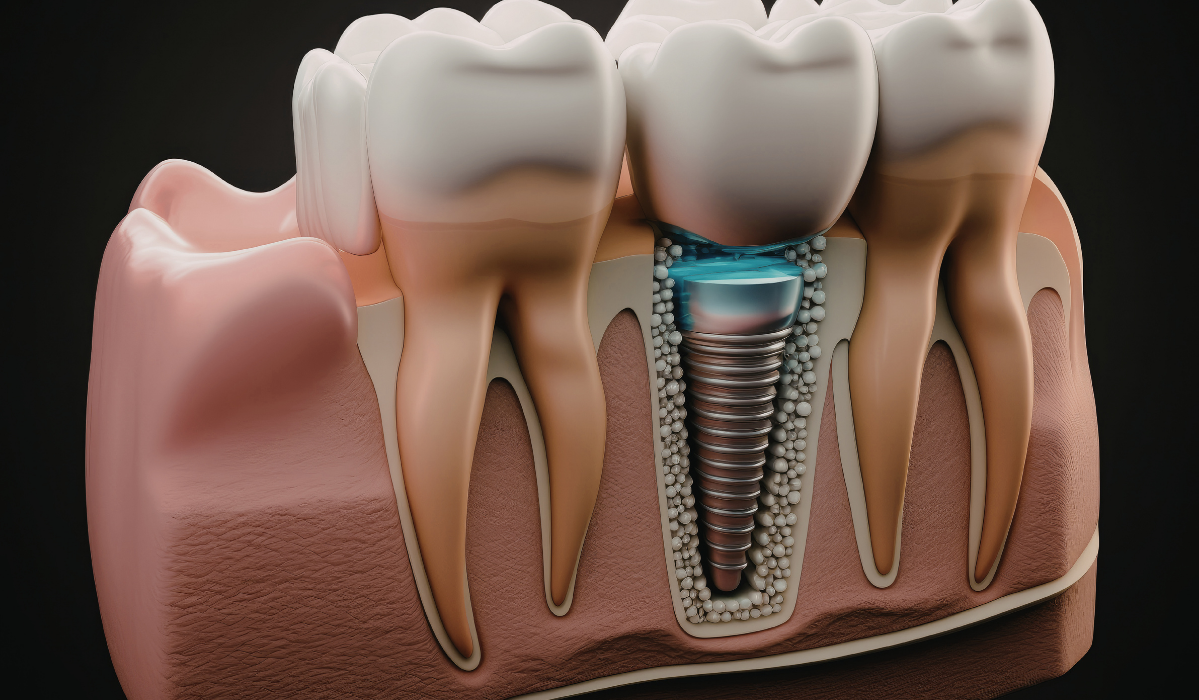
Dental implants are one of the most durable tooth replacement options available. With the right care, the implant post itself can last a lifetime. But lasting results don’t happen on their own. They depend on consistent daily habits, regular professional maintenance, and knowing when something needs attention.
At Lakeside Dental in Stoney Creek, the team wants every implant patient to feel confident about caring for their investment long after the procedure is complete. Here’s everything you need to know.
Why Implant Care Matters More Than People Expect
Many patients assume that because dental implants don’t decay the way natural teeth do, they require less attention. This is a common and costly misconception. While the implant post and crown are not vulnerable to cavities, the surrounding gum tissue and bone absolutely are.
The most serious threat to a dental implant is a condition called peri-implantitis. This is an inflammatory infection that affects the gum and bone around the implant, similar to gum disease around natural teeth. Left untreated, peri-implantitis can cause bone loss severe enough to loosen or fail the implant entirely.
The good news is that peri-implantitis is largely preventable with proper home care and professional maintenance. Consistency is the key.
Daily Cleaning Routines for Dental Implants
Caring for dental implants at home looks similar to caring for natural teeth, with a few important adjustments.
Brush twice daily. Use a soft-bristled toothbrush and a non-abrasive toothpaste. Hard bristles and abrasive products can scratch the surface of the implant crown over time, creating tiny grooves where bacteria collect. An electric toothbrush works well for implants and often provides more consistent cleaning pressure than manual brushing.
Floss every day. Regular floss works fine for single implants, but unwaxed floss or implant-specific floss tends to clean more effectively around the implant base. Wrap the floss in a C-shape around the implant and slide gently just below the gum line, the same technique used around natural teeth.
Consider a water flosser. Water flossers are particularly effective for cleaning around implants, especially implant-supported bridges or full-arch restorations where traditional flossing is more difficult. The pulsing water stream flushes bacteria from around the implant base and beneath the gum line with ease.
Use an antimicrobial mouth rinse. A daily antimicrobial or alcohol-free antibacterial rinse reduces the bacterial load in your mouth and supports the health of the gum tissue surrounding your dental implants. Ask your dental team which rinse they recommend for implant patients specifically.
Avoid tobacco. Smoking significantly impairs healing and dramatically increases the risk of peri-implantitis and implant failure. If you smoke and have dental implants, quitting is one of the most impactful things you can do for their long-term success.
Professional Maintenance Schedules for Implant Longevity
Home care alone is not enough to keep dental implants healthy over the long term. Professional maintenance visits play an essential role in monitoring your implants and catching any concerns before they progress.
Most implant patients benefit from professional cleanings and assessments every three to six months, depending on their individual oral health profile. Patients with a history of gum disease or those who smoke may need more frequent visits than those with excellent baseline oral health.
During your maintenance appointments at Lakeside Dental in Stoney Creek, the dental team checks several things specific to your dental implants.
Implant stability. Your dentist checks that the implant post remains firmly integrated with the surrounding bone. Any change in stability is an early warning sign worth investigating promptly.
Gum tissue health. The tissue surrounding the implant is examined for signs of inflammation, recession, or pocketing. Healthy gum tissue sits snugly around the implant base with no bleeding or swelling.
Bone levels. Periodic X-rays allow your dental team to monitor the bone around the implant over time. Subtle changes in bone height can signal early peri-implantitis before it becomes visible or symptomatic.
Crown and abutment integrity. The crown and the connector piece that attaches it to the implant post are inspected for wear, cracks, or loosening. A crown that feels slightly different when you bite can often be adjusted or repaired before it becomes a larger issue.
Professional implant maintenance uses specialized instruments designed not to scratch implant surfaces, which is an important distinction from standard cleaning tools. Always let your dental team know you have implants so they can use the appropriate equipment.
Warning Signs That Your Dental Implants Need Evaluation
Between appointments, pay attention to any changes around your dental implants. Catching a problem early almost always means a simpler and less costly solution.
Contact your family dentist in Stoney Creek promptly if you notice any of the following:
Bleeding or swelling around the implant. Some minor sensitivity is normal immediately after placement, but bleeding or swollen gum tissue around a fully healed implant is not. This is one of the earliest signs of peri-implantitis.
Pain or discomfort at the implant site. Dental implants should not hurt once fully integrated. Persistent discomfort, pressure, or a dull ache around the implant site deserves professional assessment.
The implant feels loose or different when you bite. A stable implant should feel completely solid. Any sense of movement or wobble is a significant warning sign that requires immediate attention.
Visible recession around the implant. If the gum tissue around your implant appears to be pulling back or the metal post becomes visible at the gum line, bone loss may already be occurring beneath the surface.
Difficulty chewing or a change in your bite. If your bite feels uneven or you find yourself avoiding pressure on the implant side, something has changed and your dental team should take a look.
Long-Term Outlook for Dental Implants
With proper care, dental implants have an impressive track record. Studies consistently show survival rates above 95 percent at ten years for patients who maintain good oral hygiene and attend regular professional maintenance visits. The implant crown itself may need replacement after 15 to 25 years depending on wear, but the titanium post beneath it remains solid and functional.
The patients who get the most from their dental implants are those who treat them with the same consistent attention they would give natural teeth. Daily cleaning, regular professional care, and prompt attention to any changes are the three pillars of long-term implant success.
Protect Your Implant Investment at Lakeside Dental
The team at Lakeside Dental in Stoney Creek is here to support your implant health at every stage, from placement through decades of ongoing care. If you have questions about your current implant maintenance routine, notice any of the warning signs described above, or want to book your next professional maintenance visit, the team is ready to help.
Call Lakeside Dental at 905-664-0808 to book your appointment. The clinic is located at 369-377 Regional Road 8, Stoney Creek, ON L8G 1E7, with extended Thursday evening and Saturday morning hours available for your convenience.
Your dental implants are built to last. Lakeside Dental is here to help make sure they do.

0 Comments