
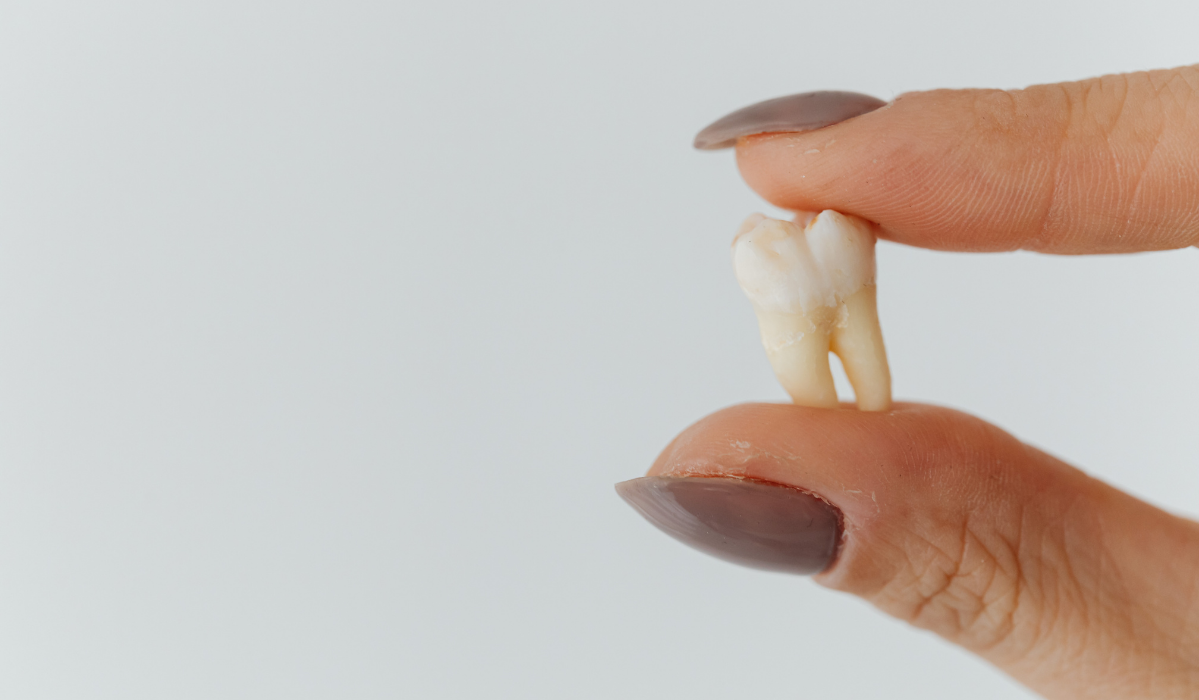
A tooth extraction is one of the most common procedures in dentistry. For most patients, recovery is straightforward and uneventful. But complications do happen, and dry socket is one of the most frequently encountered. Knowing your risk factors and following proper aftercare makes a real difference in how smoothly you heal. At Lakeside Dental in Stoney Creek, we make sure every patient leaves with a clear understanding of what to do and what to watch for after their procedure.
What Is Dry Socket and Why Does It Happen?
After a tooth extraction, a blood clot forms in the empty socket. This clot is essential. It protects the underlying bone and nerve endings while the tissue heals. Dry socket occurs when that clot is dislodged or dissolves too early. When the bone and nerve are exposed to air, food, and bacteria, the result is significant pain, often radiating toward the ear or jaw.
Dry socket typically develops two to four days after extraction. It is more common after lower wisdom tooth removals than other sites. It is not an infection, but it does require prompt treatment to manage pain and support healing.
Risk Factors That Increase Your Chances of Dry Socket
Not everyone is equally at risk. Certain factors make dry socket more likely, and being aware of them helps you take extra precautions.
Smoking is one of the most significant risk factors. The suction motion of inhaling can dislodge the clot. Chemicals in tobacco also interfere with healing. Ideally, patients should avoid smoking for at least 72 hours after a tooth extraction, and longer if possible.
Using a straw creates the same suction problem as smoking. Even one use in the first 24 to 48 hours can be enough to disturb the clot. Hormonal contraceptives, including birth control pills, have also been associated with higher dry socket rates due to their effects on clotting. Women taking oral contraceptives may want to schedule extractions during the low-hormone days of their cycle if possible.
Other risk factors include a history of dry socket after previous extractions, poor oral hygiene before the procedure, and having a complex or traumatic extraction. Patients with these risk factors should follow aftercare instructions especially carefully.
Proper Aftercare After a Tooth Extraction
Good aftercare does not have to be complicated. Following a few consistent steps in the first 48 to 72 hours protects the clot and gives your socket the best environment to heal.
Bite gently on the gauze pad placed at the end of your appointment for 30 to 45 minutes. Change it as directed and avoid excessive spitting. For the first 24 hours, do not rinse your mouth, use a straw, or disturb the area with your tongue or fingers.
After the first 24 hours, gentle warm saltwater rinses help keep the area clean. Mix half a teaspoon of salt in a cup of warm water and swish softly. Let the water fall out of your mouth rather than forcefully spitting. Repeat two to three times daily and after meals.
Stick to soft foods for the first few days. Good choices include yogurt, mashed potatoes, soup broth, scrambled eggs, and smoothies consumed with a spoon. Avoid hard, crunchy, or chewy foods that could disturb the socket or lodge debris in the area.
Take any prescribed medications as directed. If your dentist recommended over-the-counter pain relief, starting it before the anaesthesia fully wears off helps stay ahead of discomfort.
Warning Signs of Infection After a Tooth Extraction
Dry socket is painful but not infectious on its own. A separate and more serious complication is infection at the extraction site. Knowing the difference helps you act quickly when needed.
Signs of a normal healing socket include mild soreness that gradually improves each day, some swelling in the first 24 to 48 hours, and minor bleeding that slows and stops within the first few hours.
Signs that something may be wrong include pain that worsens after the third day rather than improving, swelling that increases rather than subsides, a fever above 38 degrees Celsius, pus or unusual discharge from the socket, a persistent bad taste or smell that does not clear with rinsing, and swelling that spreads to the cheek, jaw, or neck.
If you notice any of these symptoms, contact your dental team promptly. Infections following tooth extraction are treatable, especially when caught early. Waiting too long can allow infection to spread, which is far more difficult to manage.
When to Call Lakeside Dental
Most patients recover without any complications. But if something feels off, do not wait to reach out. At Lakeside Dental, located at 369-377 Regional Road 8 in Stoney Creek, we are here to support you through every stage of your recovery. A quick call often resolves concerns quickly and gets you the help you need before a minor issue becomes a bigger one.
Call us at 905-664-0808 with any questions about your tooth extraction recovery. We would rather hear from you early than have you manage discomfort on your own.

0 Comments