
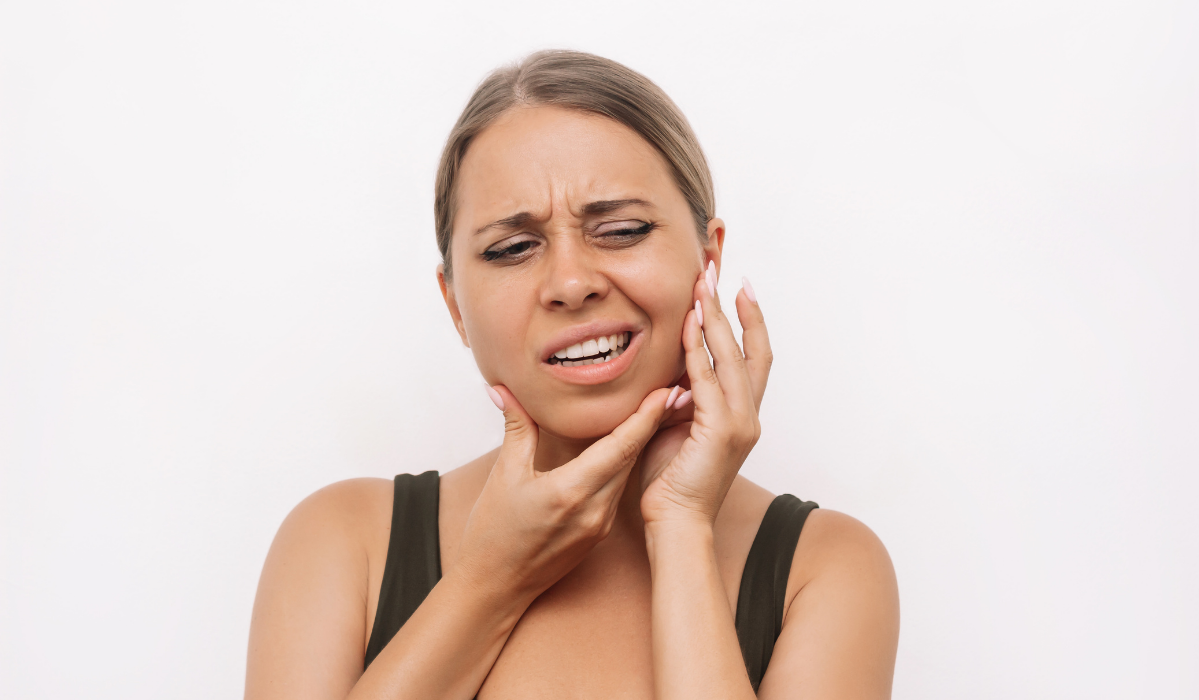
Sports-related dental injuries require immediate attention from an emergency dentist to ensure the best possible outcomes. As a dentist at Lakeside Dental in Stoney Creek, I regularly treat athletes who experience dental trauma during sports activities. Understanding proper emergency protocols and prevention strategies can save teeth and prevent long-term complications.
Knocked-Out Tooth Protocols Recommended by Emergency Dentist
A knocked-out permanent tooth represents one of the most urgent situations requiring an emergency dentist. Time is critical when a tooth is completely knocked out during sports activities. Following proper protocols immediately after the injury significantly improves the chances of saving the tooth.
Immediate Actions After Tooth Avulsion
Critical steps recommended by an dentist include:
- Locate the tooth immediately and handle by crown only
- Rinse tooth gently with water if dirty, never scrub
- Attempt to reinsert tooth into socket if possible
- Keep tooth moist in milk or saliva if reinsertion fails
- Contact dentist within 30 minutes for best results
- Apply pressure to control bleeding from empty socket
A dentist has the best chance of saving a knocked-out tooth within the first hour. Every minute counts when dealing with this type of dental trauma.
What Not to Do with Knocked-Out Teeth
Common mistakes to avoid include:
- Touching or handling the tooth root
- Allowing the tooth to dry out completely
- Storing tooth in water or wrapping in tissue
- Scrubbing or cleaning tooth with soap
- Delaying contact with emergency dentist
- Assuming baby teeth should be replanted
An experienced emergency dentist will provide specific instructions over the phone while you’re en route. Following these guidelines carefully improves treatment outcomes significantly.
Treatment Process by Emergency Dentist
Steps an emergency dentist takes for knocked-out teeth include:
- Cleaning and examining the tooth carefully
- Assessing the socket for damage or fractures
- Replanting tooth into proper position
- Splinting tooth to adjacent teeth for stability
- Prescribing antibiotics to prevent infection
- Scheduling follow-up appointments for monitoring
At Lakeside Dental, our emergency dentist team acts quickly to save knocked-out teeth. We understand the urgency of these situations and prioritize immediate treatment.
Facial Trauma Assessment Performed by Emergency Dentist
Sports injuries often involve more than just teeth and require comprehensive evaluation. An emergency dentist performs thorough facial trauma assessments to identify all injuries. Proper assessment ensures no injuries are missed and appropriate treatment is provided.
Comprehensive Examination Components
A thorough emergency dentist assessment includes:
- Visual inspection of face, lips, and oral tissues
- Palpation of facial bones to detect fractures
- Evaluation of jaw movement and bite alignment
- Assessment of all teeth for chips, cracks, or looseness
- Examination of soft tissues for lacerations
- Neurological checks for nerve damage or numbness
An emergency dentist looks beyond the obvious injury to identify hidden damage. Facial trauma can involve multiple structures requiring different treatment approaches.
Signs of Serious Facial Injuries
Warning signs an emergency dentist watches for include:
- Inability to close jaw or bite properly
- Severe swelling that worsens rapidly
- Numbness or tingling in face or lips
- Vision changes or eye movement problems
- Difficulty breathing through nose
- Persistent bleeding that won’t stop with pressure
These symptoms may indicate fractures or serious injuries requiring immediate medical attention. An emergency dentist will coordinate care with physicians or oral surgeons when necessary.
Diagnostic Imaging and Testing
Imaging tools used by an emergency dentist include:
- Digital X-rays to assess tooth and bone damage
- Panoramic X-rays for comprehensive jaw evaluation
- Cone beam CT scans for complex fractures
- Photographs to document injury extent
- Bite registration to assess alignment changes
- Pulp vitality testing for traumatized teeth
Proper diagnostic imaging helps an emergency dentist develop comprehensive treatment plans. These tools reveal injuries not visible during clinical examination alone.
Mouthguard Recommendations from Emergency Dentist for Prevention
Prevention remains the best approach to avoiding sports-related dental injuries. An emergency dentist strongly recommends mouthguards for all contact and collision sports. Proper mouthguard use can prevent the majority of sports-related dental trauma.
Types of Mouthguards Available
Mouthguard options recommended by an emergency dentist include:
- Custom-fitted mouthguards made by dental professionals
- Boil-and-bite mouthguards from sporting goods stores
- Stock mouthguards offering basic protection
- Specialized guards for orthodontic patients
- Multi-layer guards for high-impact sports
- Attached guards for helmeted sports
Custom mouthguards from an emergency dentist provide superior protection and comfort. While more expensive initially, they offer the best fit and longest lifespan.
Sports Requiring Mouthguard Protection
Activities where an emergency dentist recommends mouthguards include:
- Hockey, football, and rugby
- Basketball and soccer
- Baseball and softball
- Martial arts and boxing
- Skateboarding and BMX biking
- Lacrosse and field hockey
Even non-contact sports can result in dental injuries requiring an emergency dentist. Any activity with risk of falls or collisions warrants mouthguard protection.
Proper Mouthguard Care and Maintenance
Care instructions from an emergency dentist include:
- Rinsing mouthguard after each use
- Brushing with toothpaste regularly
- Storing in ventilated protective case
- Avoiding hot water that can warp material
- Replacing when worn or damaged
- Bringing to dental appointments for evaluation
Proper maintenance extends mouthguard life and ensures continued protection. An emergency dentist can assess mouthguard fit during regular check-ups.
Additional Sports Injury Prevention Strategies
Beyond mouthguards, an emergency dentist recommends:
- Wearing appropriate protective headgear
- Following sport safety rules and regulations
- Maintaining good physical conditioning
- Using proper technique during activities
- Addressing dental problems before sports seasons
- Having emergency dentist contact information accessible
Athletes should establish care with an emergency dentist before injuries occur. Knowing where to go during emergencies saves valuable time.
Getting Emergency Care When You Need It
Sports-related dental injuries can happen anytime, requiring immediate access to an emergency dentist. At Lakeside Dental, we provide urgent care for dental trauma and sports injuries. Our team understands the time-sensitive nature of these emergencies.
If you or your child experiences a sports-related dental injury, contact us immediately at 905-664-0808. We’re located at 369-377 Regional Rd 8, Stoney Creek, ON L8G 1E7. Our emergency dentist services are available when you need urgent dental care.
0 Comments